The Best Plant Based Cheese for Cooking at Home
We may earn a commission for purchases made using our links. Please see our disclosure to learn more.
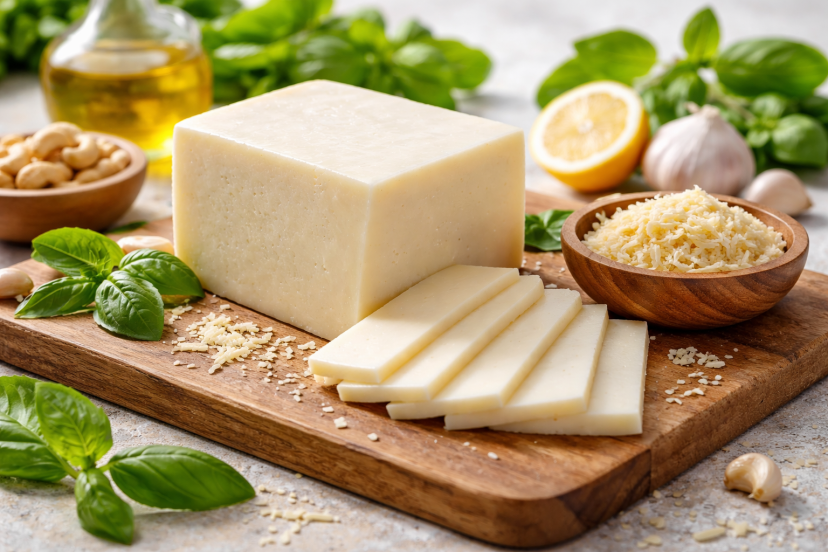
Plant based cheese isn’t just a dairy substitute anymore. Today, it melts, stretches, and adds real flavor to everyday meals. If you’ve ever wondered whether it can actually work in pizza, pasta, or comfort food, the answer is yes — when you choose the right one. Let’s break down what makes plant based cheese worth using in your kitchen.
From Basic Substitute to Real Culinary Option
A few years ago, plant based cheese felt like a niche product. Now it sits in almost every grocery store.
Three key factors explain why this change is happening.
First, more people experience lactose intolerance or dairy sensitivity. Second, many consumers want food options that support sustainability. Third, and most importantly, the taste has improved significantly.
Scientific research supports this shift. A recent comprehensive review examining the rapid development of plant-based cheese alternatives explains how innovation in formulation and texture has accelerated due to growing consumer demand for dairy-free and environmentally conscious options. In other words, the category isn’t just trending — it’s being actively refined and improved.
At the same time, broader analysis of plant-based cheese formulations highlights how sustainability concerns and nutritional considerations continue to drive research and product expansion in this space. As production methods improve, manufacturers focus more on flavor, texture, and performance — which explains why modern plant based cheese melts and browns more reliably than early versions.
But here’s the real reason it matters to home cooks: today’s plant based cheese doesn’t just exist for dietary reasons. It actually performs in the oven and skillet, making it a practical choice for everyday cooking.
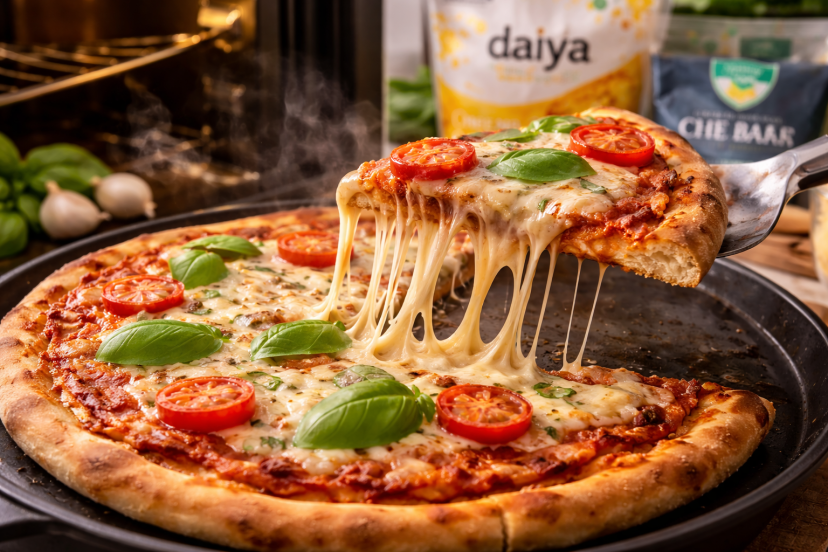
What Makes a Great Plant Based Cheese for Cooking?
Not every plant based cheese works the same way. Some taste great cold but fall apart when heated. Others melt beautifully but lack depth of flavor.
When I evaluate plant based cheese for cooking, I focus on four key factors.
1. Meltability
This is the first test.
Good cooking cheese should soften evenly, stretch slightly, and not release pools of oil. Many brands use tapioca starch and coconut oil to create that melt effect.
If it turns grainy or watery, it won’t work well on pizza or pasta.
2. Flavor
Cashew-based cheeses often taste creamy and slightly nutty. Coconut-based versions feel richer. Fermented options bring tang and complexity.
For example:
- Mild mozzarella styles work best for pizza.
- Sharp cheddar alternatives suit tacos and sandwiches.
- Parmesan alternatives elevate pasta and soups.
Match the flavor to the dish.
3. Texture
Texture matters more than people expect.
Shreds behave differently than blocks. Soft cheeses spread easily but may not brown. Harder options grate better for baking.
Think about how you plan to use it before buying.
4. Ingredients and Nutrition
Shorter ingredient lists usually signal better quality. Look for:
- Cashews
- Almonds
- Coconut oil
- Nutritional yeast
- Cultures
Many brands now fortify with calcium and B12, which adds nutritional value.
5 Best Plant Based Cheese Options for Home Cooks
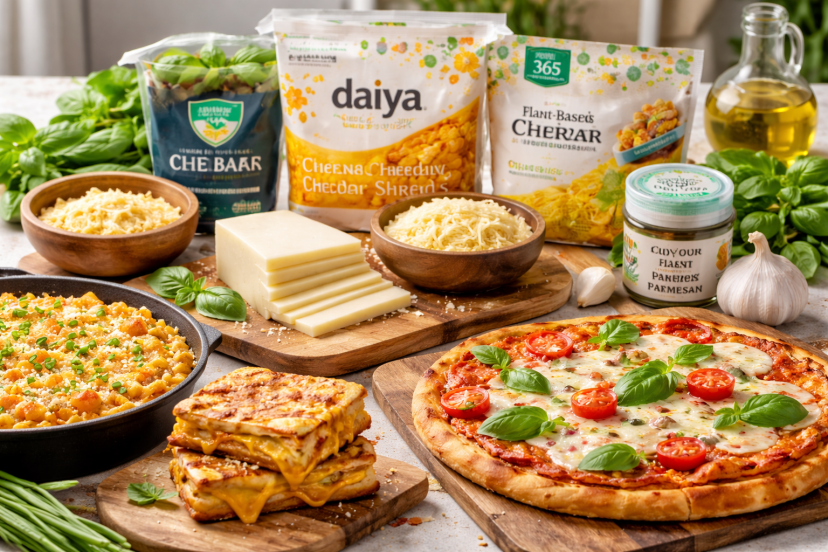
After testing multiple brands in pizza, pasta, casseroles, and sauces, these five plant based cheese options consistently deliver reliable results in real home kitchens.
1. Violife Just Like Mozzarella Shreds
Violife’s mozzarella-style shreds are one of the most dependable options for cooking. They melt smoothly and create that soft, stretchy texture people expect from traditional mozzarella. When baked on pizza or layered into lasagna, they brown lightly without turning oily or separating. The flavor stays mild, which makes it easy to pair with herbs, sauces, and vegetables without overpowering the dish.
2. Daiya Dairy Free Cheddar Style
Daiya’s updated cheddar-style shreds feel noticeably smoother than earlier versions. The texture softens evenly when heated, which makes them a good choice for grilled sandwiches, quesadillas, and tacos. The flavor leans slightly sharp but still approachable, so it works well in comfort food recipes where you want a classic cheddar taste without dairy.
3. Follow Your Heart Parmesan Alternative
This parmesan alternative stands out for its bold, salty flavor. It doesn’t rely on meltability to shine. Instead, it enhances pasta, soups, roasted vegetables, and salads with a savory finish. You only need a light dusting to make an impact. If you’re looking for something to boost flavor quickly without heavy creaminess, this is a strong option.
4. 365 by Whole Foods Market Plant-Based Cheddar
The 365 cheddar-style plant based cheese offers a sharp, moderately tangy flavor that complements a range of dishes from baked casseroles to cheddar-forward sandwiches. It melts consistently without becoming greasy, which makes it useful in recipes like vegan macaroni, grilled cheese, and smothered veggies. Its balanced flavor helps it stand up to seasoning and sauces, so you don’t have to overuse it to get satisfying results.
5. Kite Hill Cream Cheese Alternative
Kite Hill’s cream cheese alternative focuses on smooth texture and versatility. It spreads easily on toast or bagels, but it also blends well into dips, creamy pasta sauces, and frostings. It doesn’t clump when mixed, which makes it reliable for both savory and sweet recipes. If you need something soft and adaptable rather than melt-focused, this is a practical choice.
How to Cook with Plant Based Cheese Successfully
Cooking with plant based cheese requires small adjustments. Once you understand how it behaves, you’ll get consistent results.
Use Moderate Heat – High heat causes oil separation. Instead, cook at moderate temperatures and allow the cheese to melt gradually.
Add Steam for Better Melt – If you’re making grilled cheese or burgers, place a lid over the pan for 30 seconds. The trapped steam helps soften the cheese evenly.
Layer Properly – On pizza, don’t overload. Spread evenly and allow space for heat circulation.
Blend for Sauces – For mac and cheese or creamy pasta, blend plant based cheese with plant milk and a small amount of starch for smoother texture.
Best Recipes to Try with Plant Based Cheese
If you’re new to dairy-free cooking, start with familiar dishes.
Plant Based Pizza – Use mozzarella-style shreds. Bake at moderate temperature and broil briefly at the end for light browning.
Creamy Pasta – Stir parmesan alternatives into warm pasta for savory depth.
Comfort Baking – Plant based cheese works beautifully in casseroles. Pair savory dishes with comforting baked goods for balance. If you enjoy baking at home, you might also love this cozy recipe for pumpkin bread.
Sweet and savory combinations create satisfying meals.
Sandwiches and Wraps – Cheddar alternatives melt well inside wraps and grilled sandwiches.
Common Mistakes to Avoid
Even experienced home cooks make these mistakes.
Overheating – Too much heat ruins texture.
Expecting Identical Taste – Plant based cheese tastes slightly different from dairy. Embrace the flavor rather than comparing constantly.
Using the Wrong Type – Soft cheeses don’t always work in baked dishes. Choose the style designed for your recipe.
Is Plant Based Cheese Worth It?
From my experience, yes.
I’ve served plant based lasagna to guests who didn’t realize it was dairy-free. I’ve made grilled sandwiches that tasted indulgent and satisfying.
The key is choosing the right product and cooking thoughtfully.
Food should feel joyful, not restrictive. Plant based cheese gives you flexibility without sacrificing comfort.
Conclusion
Plant based cheese has come a long way. With better texture, improved flavor, and stronger food science behind it, it’s now a reliable option for real cooking — not just a substitute. When you pick the right type for your recipe and use it thoughtfully, you can create meals that feel just as satisfying as traditional dairy dishes. If you’ve been curious, this is your sign to experiment. Try one in your next pizza night or pasta bake and see how it performs in your own kitchen.
FAQs
1. Does plant based cheese melt like dairy cheese?
Many modern brands melt well, especially mozzarella and cheddar alternatives designed for cooking.
2. Is plant based cheese healthier than regular cheese?
It contains no cholesterol, but sodium and fat levels vary. Always read the label.
3. What is plant based cheese made from?
Common bases include cashews, almonds, coconut oil, tapioca starch, and nutritional yeast.
4. Can I bake with plant based cheese?
Yes. It works well in casseroles, pasta bakes, and savory breads.
5. Does plant based cheese taste the same as dairy?
It tastes slightly different, but high-quality brands offer rich, satisfying flavor when used properly.