Pumpkin Spice Season: 9 Savory and Sweet Fall-Inspired Recipes
We may earn a commission for purchases made using our links. Please see our disclosure to learn more.
Pumpkin Spice Season marks the shift into fall cooking, where warm spices and pumpkin-based recipes take center stage. While often associated with sweet treats, pumpkin spice is far more versatile, working just as well in savory dishes when used with balance. This article explores nine sweet and savory pumpkin spice recipes, explains why the flavor resonates so strongly each fall, and highlights how to use it thoughtfully in everyday meals.
Why Pumpkin Spice Season Has Such a Hold on Us
Pumpkin spice is a blend of cinnamon, nutmeg, ginger, cloves, and sometimes allspice. Each of these spices carries compounds that stimulate warmth, aroma, and emotional memory. Food science research on aroma perception shows that spices like cinnamon and clove activate parts of the brain associated with comfort, nostalgia, and emotional regulation.
That’s why Pumpkin Spice Season feels emotional, not just seasonal.
In addition, studies on flavor psychology suggest that warm spices can enhance perceived sweetness and richness without extra sugar. As a result, pumpkin spice delivers indulgence through aroma and spice balance rather than excess calories alone.
Sweet Pumpkin Spice Recipes That Feel Like Fall
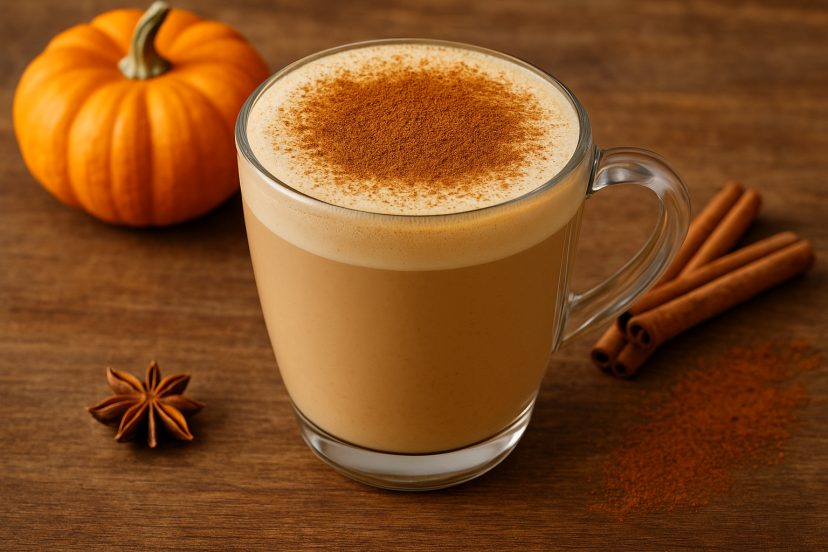
Classic Pumpkin Spice Latte
A homemade pumpkin spice latte lets you control sweetness, spice intensity, and ingredients. Using real pumpkin purée, warm milk, cinnamon, nutmeg, and a hint of vanilla creates a richer, smoother drink than many store-bought versions. It tastes balanced instead of syrupy.
Because you’re using real ingredients, the flavor feels deeper and more satisfying.
Muffins with Warm Spices
Pumpkin spice muffins are a fall staple for a reason. Pumpkin purée keeps them moist, while cinnamon and ginger provide warmth without overpowering the bite. Using maple syrup or coconut sugar instead of refined sugar adds depth without sharp sweetness.
They also freeze well, making them perfect for busy fall mornings.
Pancakes for Cozy Mornings
Pumpkin spice pancakes transform an ordinary breakfast into something seasonal and special. Pumpkin purée adds body and natural sweetness, while nutmeg and cloves create a cozy finish.
Serve them with yogurt, nut butter, or fruit for balance.
No-Bake Pumpkin Spice Energy Bites
For quick snacks, no-bake pumpkin spice energy bites deliver flavor without effort. Rolled oats, nut butter, pumpkin purée, and spices come together in minutes. They’re portable, filling, and perfect for busy fall days.
No oven required.
Pumpkin Spice Granola for Everyday Comfort
Pumpkin spice granola works beautifully as a daily breakfast or snack. Lightly coating oats with pumpkin purée, cinnamon, and ginger before baking creates clusters that smell like fall as soon as they hit the oven.
It pairs well with yogurt, oatmeal, or baked fruit.
Savory Pumpkin Spice Recipes You Might Not Expect
Pumpkin Spice Roasted Vegetables
Pumpkin spice shines in savory cooking when used lightly. Toss root vegetables like carrots, squash, or sweet potatoes with olive oil, salt, and just a small pinch of pumpkin spice. The warmth enhances natural sweetness without turning the dish into dessert.
This works well as a side dish or grain bowl base.
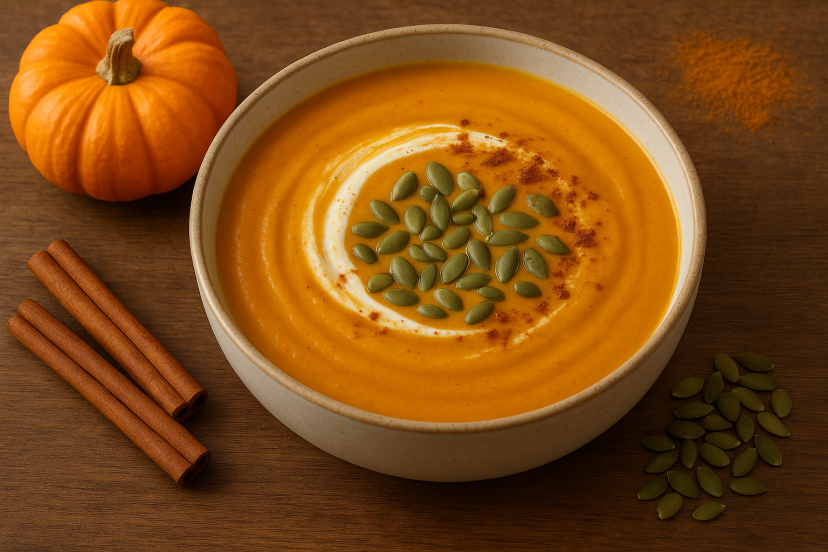
Creamy Pumpkin Spice Soup
Pumpkin spice adds depth to savory soups when balanced carefully. Combine pumpkin purée with vegetable broth, garlic, onion, and a restrained amount of spice. The result feels comforting, rich, and savory rather than sweet.
Top it off with a drizzle of coconut milk or a spoonful of yogurt for a creamy finish.
Pumpkin Spice Pasta Sauce
This dish surprises people—in the best way. A pumpkin-based pasta sauce with garlic, onion, olive oil, and subtle spices creates a silky, satisfying meal. For an herb-forward variation, you can blend pumpkin with flavors inspired by this vegan pesto recipe for added complexity and balance.
The key is restraint. Pumpkin spice should support the sauce, not dominate it.
Pumpkin Spice Savory Bread
Savory pumpkin bread works beautifully alongside soups or salads. Reducing sugar and adding herbs like rosemary or thyme keeps the flavor grounded. Pumpkin spice adds warmth without sweetness.
It’s a great alternative to traditional dinner rolls in fall.
Kitchen Essentials for Pumpkin Spice Cooking
- Organic Pumpkin Spice Blend – Ensures consistent flavor and balanced spice ratios.
- Fine Mesh Spice Grinder – Freshly ground spices deliver stronger aroma and depth.
- Heat-Safe Glass Mixing Bowl – Ideal for batters, sauces, and soups.
- High-Speed Blender – Essential for smooth pumpkin soups and pasta sauces.
- Reusable Silicone Baking Mats – Promote even baking and reduce sticking.
These tools simplify Pumpkin Spice Season cooking while improving results.
Health Benefits Hidden in Fall Flavors
Pumpkin Spice Season isn’t only about cozy vibes. Behind the flavor are real plant compounds that researchers have studied for their biological activity. Two major scientific reviews—one on pumpkin and one on cloves—help explain why these ingredients show up in traditional diets and seasonal cooking.
Pumpkin’s Phytonutrients Pack More Than Flavor
A detailed review examining pumpkin flesh, seeds, and by-products, focusing on their plant compounds, health benefits, and food uses.
The researchers highlighted several key findings:
- Antioxidant content: Pumpkin contains carotenoids and phenolic compounds that help neutralize free radicals linked to oxidative stress.
- Anti-inflammatory properties: These same compounds may help reduce inflammation, which plays a role in many chronic conditions.
- Metabolic support: Some pumpkin components were associated with improved glucose and lipid metabolism in experimental models.
In simple terms, pumpkin brings nutritional value alongside its seasonal appeal—especially when used in whole-food recipes rather than highly processed products.
Cloves: More Than Just a Spicy Accent
Cloves are a core ingredient in pumpkin spice blends, and the scientific review “Clove (Syzygium aromaticum): a precious spice” explains why this spice has been valued for centuries.
Key takeaways include:
- Exceptionally high antioxidant activity: Cloves rank among the most antioxidant-rich culinary spices.
- Anti-inflammatory effects: The compound eugenol, abundant in cloves, has demonstrated anti-inflammatory activity in laboratory studies.
- Antimicrobial properties: Clove extracts have shown inhibitory effects against certain bacteria and fungi, which helps explain traditional culinary and preservation uses.
While these findings don’t turn pumpkin spice treats into health foods by default, they show that the spices themselves contribute more than aroma alone.
What This Means for Your Fall Cooking
Together, these studies suggest that Pumpkin Spice Season brings more than comfort:
- Pumpkin contributes phytonutrients linked to antioxidant and metabolic activity.
- Cloves add potent plant compounds with anti-inflammatory and antimicrobial properties.
When pumpkin spice recipes focus on whole ingredients and balanced flavors, they layer nutrition and flavor instead of relying only on sugar or fat.
Tips to Balance Pumpkin Spice Without Overdoing It
- Start with less spice than you think you need
- Use salt in savory dishes to anchor sweetness
- Let pumpkin purée lead, not the spice
- Add acidity when needed to keep flavors bright
Balance keeps pumpkin spice enjoyable instead of overwhelming.
Conclusion
Pumpkin Spice Season isn’t just about trends or treats—it’s about using warm spices and pumpkin in ways that actually make sense in everyday cooking. From sweet breakfasts to savory dinners, pumpkin spice adds depth, comfort, and seasonal character when used with restraint. By focusing on balanced recipes and real ingredients, you can enjoy fall flavors without overdoing the sweetness and make pumpkin spice a practical part of your autumn kitchen.
FAQs
1. What defines Pumpkin Spice Season?
It refers to the fall period when pumpkin-based foods and warm spice blends become especially popular.
2. Is pumpkin spice only for sweet recipes?
No. When used lightly, it works well in soups, roasted vegetables, sauces, and breads.
3. Why does pumpkin spice feel comforting?
The spices trigger sensory responses linked to warmth, nostalgia, and emotional satisfaction.
4. Can pumpkin spice be part of a balanced diet?
Yes, especially when recipes use real pumpkin and moderate sugar.
5. What’s the right time to start enjoying Pumpkin Spice Season?
Any time fall flavors feel right—there’s no official date.