12 Easy-to-Prepare School Lunch Ideas
We may earn a commission for purchases made using our links. Please see our disclosure to learn more.
Packing school lunches can get old fast, especially when mornings are rushed and ideas run out. A good lunch helps keep energy steady, supports focus, and prevents that mid-afternoon slump. In this article, you’ll find easy school lunch ideas that are simple to prepare and realistic for everyday life. These are the kinds of lunches people actually pack, using familiar ingredients and routines that make school mornings smoother.
How Balanced School Lunches Support Better Eating Habits
What kids eat at school often shapes their daily eating habits. When lunches are balanced and made with real foods, children are more likely to eat a wider variety of nutrients throughout the day.
A large review published in the journal Nutrients examined dozens of studies on school meal programs and children’s diets. The review found that students who had access to well-balanced school lunches tended to eat more fruits, vegetables, and whole foods overall. These improvements in diet quality were strongest when lunch was included as part of the school meal program, not just breakfast.
These findings help explain why simple, balanced school lunches matter. When kids regularly eat nourishing lunches, healthier food choices often follow beyond the lunchroom.
Why Nutritious School Lunches Help Kids Focus and Learn
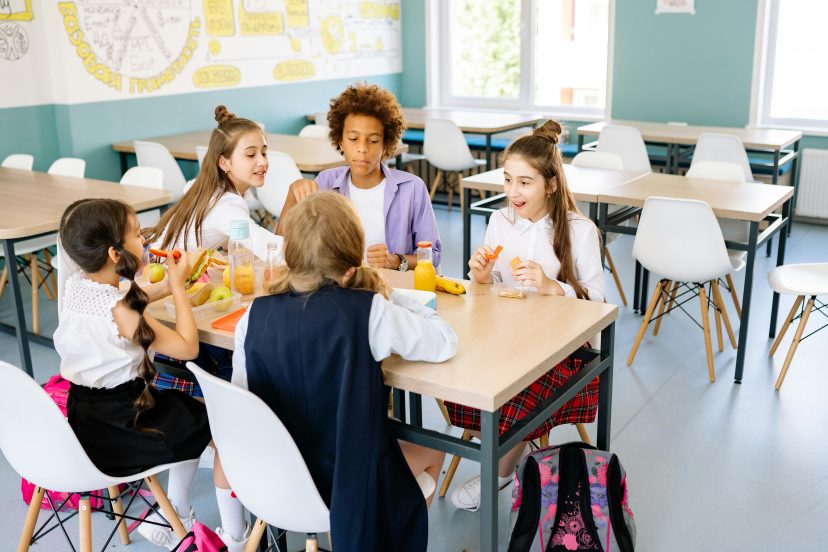
Lunch plays a key role in how children feel during the second half of the school day. Meals that support steady energy can make it easier for kids to stay focused and engaged in class.
Another well-known scientific review looked at school feeding programs across several countries and measured their impact on health and learning. The researchers found that children who received regular school meals showed better overall nutrition, higher school attendance, and improvements in math skills and short-term thinking tasks. In simple terms, children who ate consistent school lunches were better able to concentrate and learn.
These results show that school lunches do more than fill stomachs. They help support attention, learning, and day-to-day performance in the classroom.
What Makes a School Lunch Simple, Filling, and Balanced
A school lunch works best when it includes:
- A protein source to support energy and fullness
- Carbohydrates for fuel
- Fiber from fruits or vegetables
- Some healthy fat for satisfaction
Equally important, though, is ease. Lunches that are too complicated rarely last long. Simple combinations that repeat throughout the week reduce stress and save time.
With that foundation in mind, let’s walk through school lunch ideas that are both realistic and nourishing.
12 Easy-to-Prepare School Lunch Ideas
1. Wrap-and-Go Protein Roll-Ups
Wraps are one of the most flexible lunch options available. A whole-grain tortilla can be filled with a protein such as sliced chicken, turkey, tofu, or roasted vegetables. Adding a spread like hummus or cream cheese helps hold everything together and adds flavor.
Once rolled tightly, wraps can be sliced into smaller sections, making them easier to eat during short lunch breaks. They hold their shape well in lunch containers and don’t require reheating.
This lunch works particularly well for busy mornings because the ingredients can be prepared in advance and assembled quickly.
2. Mini Pasta Lunch Bowls
Pasta lunches don’t have to be heavy or served hot. Short pasta shapes mixed with olive oil, vegetables, cheese, and protein create a satisfying lunch that tastes good even when cold.
This type of lunch is ideal for batch cooking. Pasta can be prepared at the start of the week and portioned into containers as needed. It also allows flexibility with ingredients, depending on what’s already in the fridge.
Mini pasta bowls feel familiar, which makes them a safe option for picky eaters.
3. DIY Lunchables (Healthier Version)
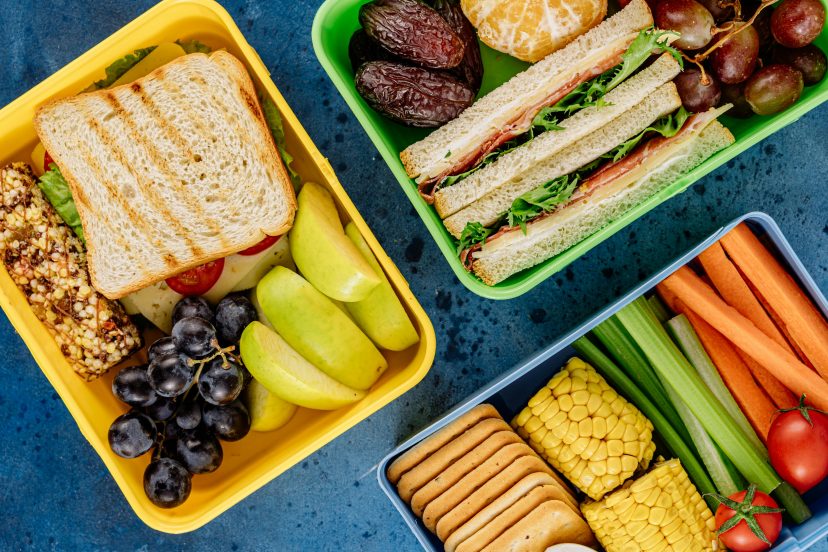
Many kids enjoy lunches that let them assemble food themselves. A homemade lunchable-style meal uses simple ingredients like crackers, sliced cheese, fruit, and a protein source.
Instead of relying on packaged versions, building these lunches at home allows better control over ingredients and portion sizes. The components can be mixed and matched, keeping lunches interesting without extra effort.
This format also works well for kids who prefer grazing rather than eating one large item.
4. Veggie-Packed Fried Rice Cups
Leftover rice can easily become a complete meal when it’s cooked with vegetables and a protein of choice. A basic version includes rice, scrambled egg, peas, carrots, and light seasoning.
Portioned into small containers, fried rice can be eaten warm or cold. It’s filling without being heavy and works well for children who enjoy familiar flavors.
This lunch is especially useful for reducing food waste while still providing a balanced meal.
5. Plant-Based Sausage and Rice Boxes
Plant-based lunches offer variety and can still be hearty and satisfying. Sliced plant-based sausage paired with rice and vegetables creates a well-rounded lunch that’s easy to portion.
For families exploring meat-free meals, plant-based sausage provides protein without relying on animal products. If you want to understand how these options fit into everyday cooking, this guide on plant based sauge explains what to look for and how to use them effectively.
This lunch works well for both vegetarian and mixed-diet households.
6. Quesadilla Wedges
Quesadillas are simple to prepare and easy to adapt. Tortillas filled with cheese, beans, or leftover meat can be cooked quickly and sliced into wedges.
They hold up well in lunch containers and can be eaten without utensils. Quesadillas also pair nicely with fruit, yogurt, or vegetables on the side.
Because they reheat well, they’re also suitable for schools with access to microwaves.
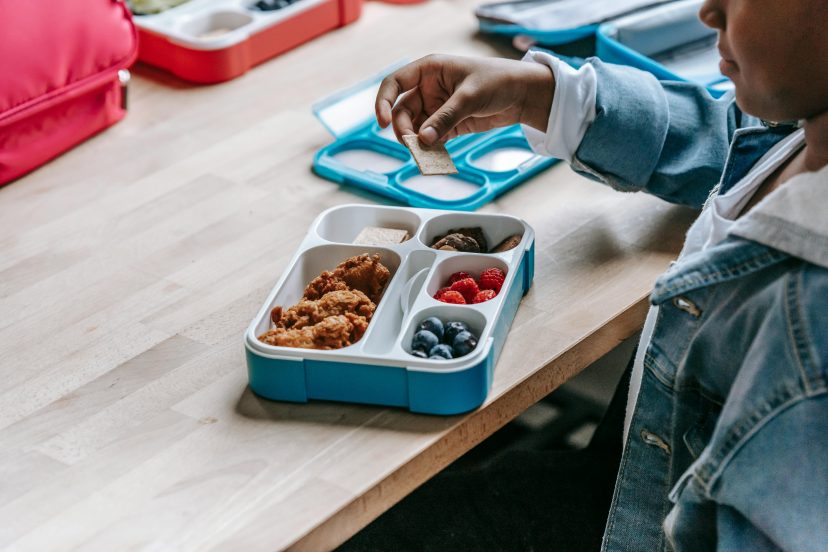
7. Bento-Style Snack Boxes
Bento-style lunches focus on variety rather than a single main dish. Small portions of fruit, vegetables, cheese, nuts, crackers, or protein are arranged in compartments.
This approach works well for kids who prefer smaller bites or who feel overwhelmed by large portions. It also allows parents to adjust quantities easily based on appetite.
Over time, bento lunches encourage balanced eating without pressure.
8. Cold Noodle Salad Jars
Cold noodle salads offer a refreshing alternative to heavier lunches. Cooked noodles are layered with vegetables and a light dressing, then packed into jars or containers.
These lunches are especially appealing in warmer weather and can be prepared in advance. Shaking the container before eating evenly distributes flavors.
Cold noodle salads provide carbohydrates and vegetables in a format that feels different from standard lunches.
9. Egg Muffins for Lunch
Egg muffins are baked eggs mixed with vegetables and cheese, cooked in muffin tins. They’re easy to batch cook and store in the refrigerator or freezer.
Egg muffins can be eaten cold or reheated and pair well with fruit or bread. Because they’re high in protein, they help keep kids full through the afternoon.
This lunch option is especially helpful for mornings when time is limited.
10. Pizza Toast Squares
Pizza-inspired lunches are often popular because the flavors are familiar. Pizza toast uses bread topped with tomato sauce, cheese, and vegetables, then toasted until melted.
Once cooled, it can be cut into squares and packed easily. This lunch provides carbohydrates, protein, and vegetables without relying on packaged pizza snacks.
It’s a good way to satisfy cravings while keeping ingredients simple.
11. Leftover Remix Lunches
Leftovers don’t need to feel repetitive. Transforming dinner leftovers into wraps, bowls, or sandwiches gives them a new presentation.
For example, roasted vegetables can become a wrap filling, and cooked chicken can be added to rice or pasta. Changing the format helps food feel fresh, even when ingredients are the same.
It makes lunch prep quicker and keeps food from being wasted.
12. Sweet and Savory Snack Plates
Some kids prefer lighter lunches made up of several small items. Snack plates combine sweet and savory elements, such as fruit with nut butter, yogurt with granola, or cheese with crackers.
These lunches still provide balance when portions are chosen thoughtfully. They’re also easy to adjust based on appetite and preferences.
Snack plates work well for days when kids want variety rather than a single dish.
Helpful Tools That Make School Lunch Prep Easier
School lunch prep is easier when your tools work with your routine, not against it. These items focus on organization, temperature control, and durability for busy mornings. Perfect for making these delicious school lunch Ideas!
1. Insulated Bento Lunch Box with Compartments – A bento-style lunch box keeps foods separated in one container. Compartments help preserve texture and flavor, while insulation keeps food fresh until lunchtime.
2. Leak-Proof Reusable Food Containers – Leak-proof containers prevent spills and keep lunch bags clean. They work well for pasta, rice, yogurt, and cut fruit, and they make portioning meals easier.
3. Reusable Silicone Snack Bags – Silicone snack bags are flexible, durable, and easy to clean. They’re great for snacks like fruit, crackers, or sandwiches and fit neatly into lunch boxes.
4. Stainless Steel Insulated Food Jar – An insulated food jar keeps meals like soups, pasta, or rice warm until lunch. It adds variety, especially for kids who prefer warm foods.
5. Slim Reusable Ice Packs – Slim ice packs keep food cool without taking up much space. They help maintain freshness for items like dairy, fruit, and plant-based foods.
Conclusion
Good school lunch ideas don’t rely on perfection. They rely on balance, repetition, and practicality. When lunches are simple and nourishing, they support better energy, focus, and mood throughout the school day. Start with a few dependable ideas and build from there. Over time, packing lunches becomes easier—and far less stressful.
FAQs
1. How many days ahead can lunches be prepared?
Most lunches can be prepared two to three days in advance if stored properly.
2. Are cold lunches nutritionally complete?
Yes, when they include protein, fiber, and healthy fats.
3. What proteins work best for school lunches?
Eggs, beans, dairy, chicken, and plant-based options all work well.
4. How can I prevent soggy lunches?
Pack sauces separately and avoid overdressing foods.
5. Are plant-based lunches filling enough?
Yes, when balanced correctly, they provide lasting energy.