How to Make Delicious Vegan Pesto at Home
We may earn a commission for purchases made using our links. Please see our disclosure to learn more.
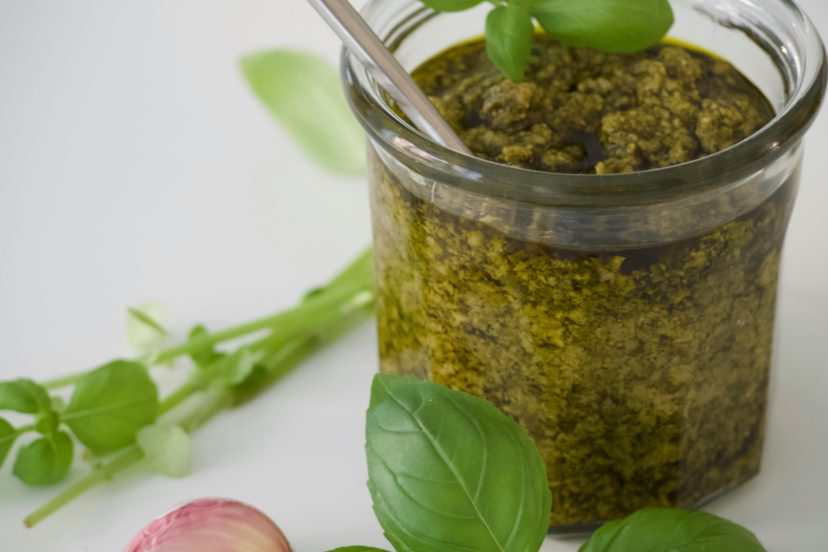
If your meals have been feeling a little plain lately, vegan pesto is an easy way to bring them back to life. It’s fresh, bright, and packed with flavor, and the best part is—you can make it at home with very little effort. This simple, plant-based version has all the richness of classic pesto but feels lighter and more versatile. In this guide, we’ll talk about what goes into a great vegan pesto, how to prepare it, creative ways to enjoy it, and why its ingredients are backed by solid nutrition research.
Essential Ingredients for a Perfect Vegan Pesto
The best part about vegan pesto is its flexibility. You can mix greens, experiment with nuts, adjust acidity, or create your own spin.
Choosing the Right Greens
Although basil is traditional, you can mix different greens to modify flavor, color, and nutrient density:
- Basil (classic and aromatic)
- Spinach (mild and creamy)
- Arugula (peppery kick)
- Kale (robust and nutrient-rich)
- Cilantro or parsley (bright herbal notes)
Combining greens helps your pesto stay vibrant and balanced.
Best Nuts and Seeds for Texture
You’re not limited to pine nuts anymore. Vegan pesto works beautifully with affordable and accessible options:
- Walnuts: earthy and smooth
- Cashews: creamy and slightly sweet
- Almonds: neutral with great texture
- Pumpkin seeds: ideal for nut-free diets
Lightly toasting nuts enhances depth and removes bitterness.
Oil, Acidity, and Seasonings
A great vegan pesto includes:
- Extra-virgin olive oil
- Lemon juice
- Garlic
- Nutritional yeast (for a cheesy flavor)
- Salt and pepper
Each small adjustment creates a big change, so taste often and tweak as needed.
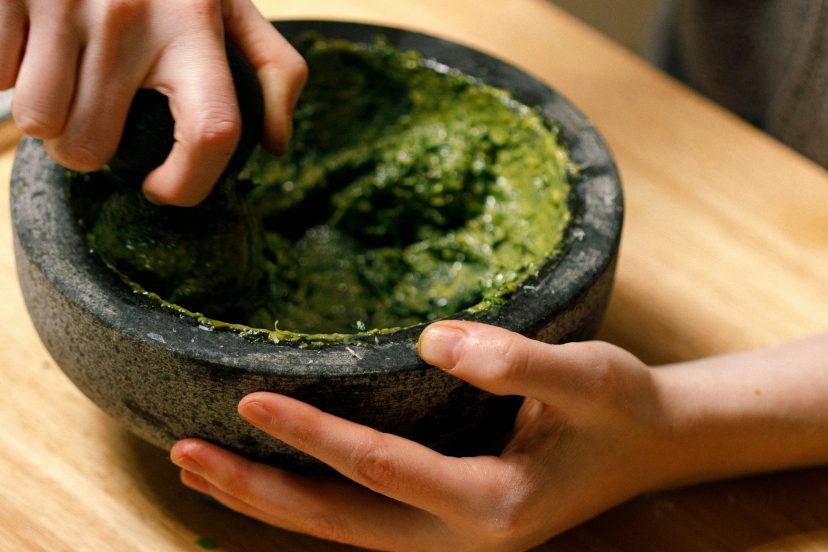
Step-by-Step: How to Make Delicious Vegan Pesto at Home
Making pesto is fast, but the order matters.
1. Prep Your Ingredients
Wash and dry your greens well. Excess water can make pesto watery or shorten its shelf life. Get your nuts or seeds ready, along with the garlic, nutritional yeast, lemon juice, and olive oil.
2. Blend for Texture
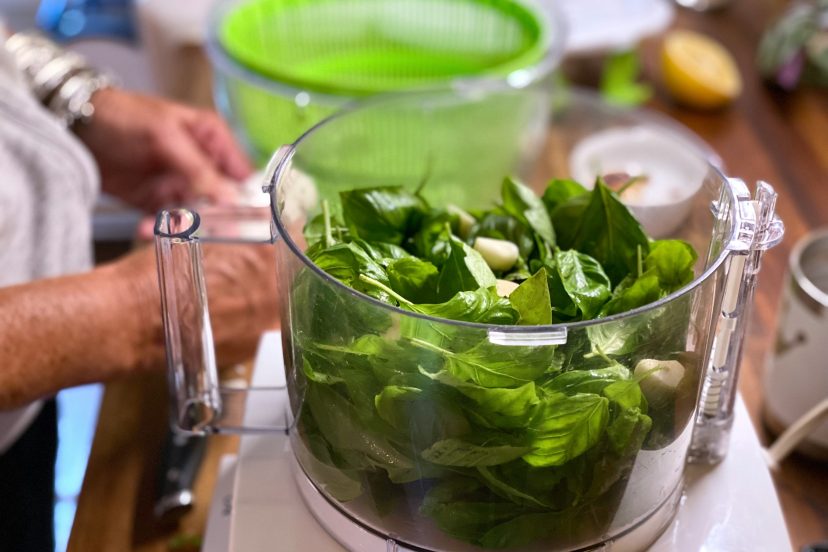
Begin by pulsing nuts and garlic first. This creates a uniform crumb that blends evenly.
Next, add greens and nutritional yeast. Slowly drizzle in olive oil while blending until you reach your preferred texture—chunky or silky smooth.
3. Adjust Flavor Like a Pro
Taste your pesto and adjust:
- More lemon → brighter acidity
- More salt → deeper flavor
- More olive oil → smoother texture
- More greens → stronger herbal notes
A little tweaking goes a long way.
Recommended Products
These items make homemade pesto easier, faster, and consistently delicious:
- Nutribullet Pro 900 Blender – Ideal for silky smooth pesto.
- Hamilton Beach 3-Cup Food Processor – Perfect for chunkier textures.
- Iliada Extra Virgin Olive Oil PDO Kalamata – Rich, aromatic flavor base.
- Anthony’s Premium Nutritional Yeast – Adds a savory, cheesy depth.
- Yupik Raw Pine Nuts – The classic choice for authentic, delicate pesto.
Simple Ways to Use Vegan Pesto in Your Everyday Cooking
Fresh vegan pesto transforms everyday meals with almost no effort.
Pasta, Bowls, and Roasted Veggies
A spoonful of pesto tossed with warm pasta or roasted vegetables creates an instant comfort meal. Pair it with seasonal recipes like these Autumn One-Pot Meals for even richer, fall-inspired flavors.
Sandwiches, Wraps, and Appetizers
Spread pesto on:
- Grilled ciabatta
- Roasted veggie sandwiches
- Tortilla wraps
- Crostini topped with fresh tomatoes
These simple additions elevate both flavor and presentation.
Seasonal and Creative Uses
Try mixing vegan pesto into:
- Salad dressings
- Soups
- Grain bowls
- Plant-based charcuterie boards
It’s versatile enough to brighten dishes all year long.
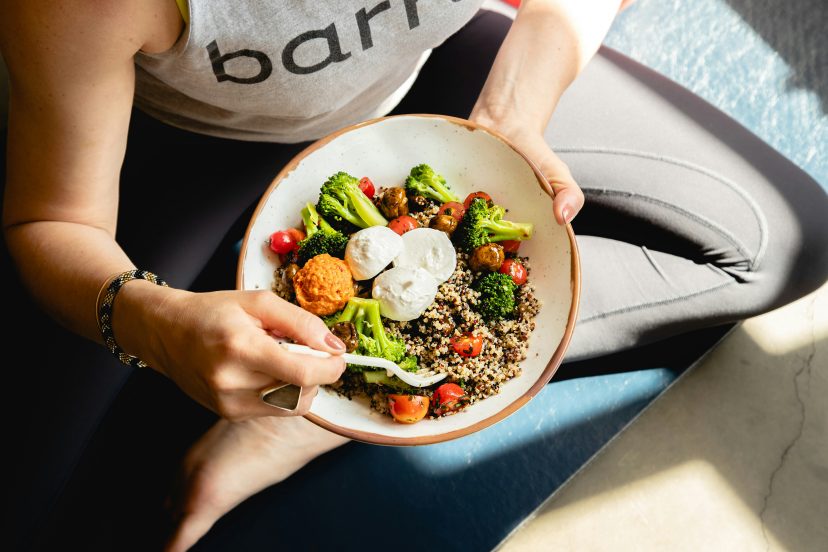
What Science Says About Healthy Fats, Herbs, and Plant-Based Eating
Vegan pesto’s ingredient list aligns closely with what nutrition research says about heart-friendly fats and plant-forward eating. Two major studies help illustrate why dishes like pesto can support better long-term health.
How Extra-Virgin Olive Oil Supports Heart Health
The well-known PREDIMED Trial—one of the largest and most respected nutrition studies—showed that people following a Mediterranean diet rich in extra-virgin olive oil experienced a significant reduction in heart attacks, strokes, and cardiovascular deaths.
This study highlights why choosing high-quality olive oil matters. Its monounsaturated fats and antioxidants directly support heart health, making it a powerful base for vegan pesto.
Why Plant-Based Eating Supports Cardiovascular Wellness
A comprehensive review published in Trends in Cardiovascular Medicine found that plant-based diets are consistently associated with lower cardiovascular risk, better cholesterol profiles, and reduced inflammation.
This directly supports your pesto-making efforts. Basil, garlic, nuts, and olive oil contribute phytonutrients, healthy fats, and antioxidants—ingredients known to protect long-term health.
Tips for Storing and Freezing Homemade Vegan Pesto
To keep your pesto fresh:
- Store it in an airtight container
- Add a thin layer of olive oil on top to prevent browning
- Refrigerate for up to 5 days
For freezing:
- Freeze in ice cube trays
- Transfer cubes to a freezer-safe bag
- Use within 2–3 months for best flavor
Conclusion
Making vegan pesto at home feels surprisingly simple, yet the results are gourmet-level. You control the flavor, texture, and quality, and you create a sauce that aligns beautifully with heart-healthy, plant-forward eating. With fresh herbs, nuts, olive oil, and a good blender, you can turn everyday meals into vibrant, flavorful creations. Once you taste the difference, you’ll understand why homemade pesto often becomes a weekly staple.
FAQs
1. Does vegan pesto taste like traditional pesto?
Yes! Nutritional yeast adds cheesy flavor, and the herbs and nuts create a rich, aromatic sauce.
2. What nuts work best in vegan pesto?
You can use walnuts, cashews, almonds, pine nuts, or even pumpkin seeds—they all make great choices.
3. How do I keep basil from browning in pesto?
Use lemon juice and store the pesto with a thin layer of olive oil on top.
4. Can I freeze vegan pesto?
Absolutely—freeze in cubes for easy portioning.
5. Is vegan pesto healthy?
Yes. It’s made from nutrient-rich greens, heart-healthy fats, and antioxidant-packed herbs.