10 Healthy Back-to-School Treats For Kids
We may earn a commission for purchases made using our links. Please see our disclosure to learn more.
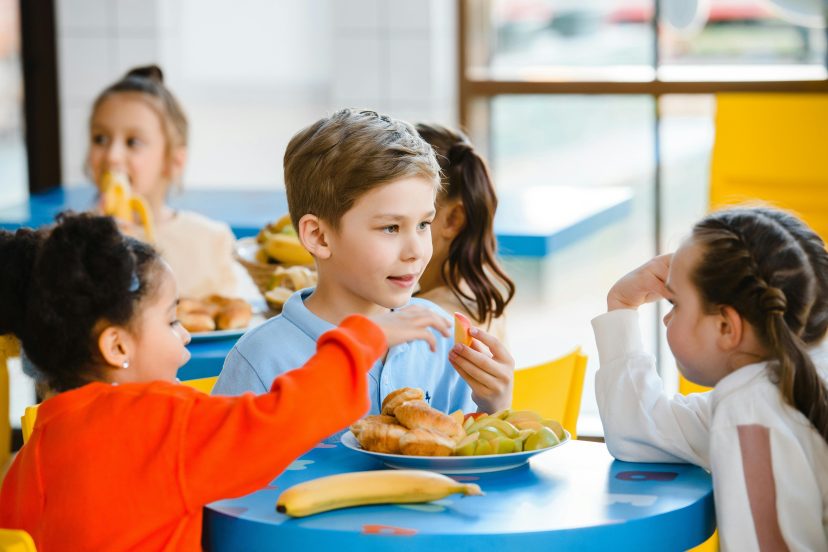
Packing snacks for school shouldn’t feel complicated, but many back-to-school treats are loaded with sugar and leave kids tired and unfocused by mid-morning. Healthy back-to-school treats for kids focus on simple ingredients that provide steady energy, real nutrition, and flavors kids actually enjoy. From fruit-based snacks to protein-rich bites, the right choices can support learning, mood, and long school days without sacrificing taste.
Why Healthy Back-to-School Treats Matter More Than Ever
School days are long. Kids move from class to class, burn energy on the playground, and need consistent fuel to stay focused. Unfortunately, many traditional snacks rely heavily on refined sugar and processed carbs. As a result, kids experience spikes in energy followed by crashes that affect mood and concentration.
Healthy back-to-school treats help solve that problem. When snacks include protein, fiber, and healthy fats, kids stay fuller longer. They also experience fewer energy dips and better attention in class.
Just as important, early food habits stick. When kids learn to enjoy balanced snacks now, those habits follow them into adulthood.
What Makes a School Treat Truly Healthy?
Before jumping into snack ideas, it helps to define what “healthy” really means in a school context.
A strong back-to-school treat usually includes:
- Fiber for digestion and fullness
- Protein for sustained energy
- Natural sweetness instead of refined sugar
- Simple ingredients you can recognize
Equally important, treats should be easy to pack, safe for school policies, and appealing enough that kids actually eat them.
10 Healthy Back-to-School Treats For Kids
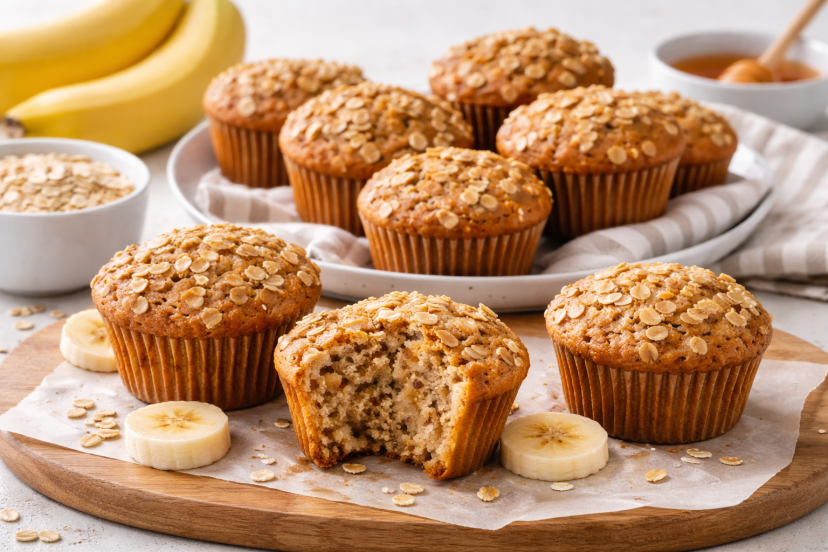
Banana Oatmeal Muffins
Soft, naturally sweet, and filling, banana oatmeal muffins make a perfect school snack. Oats add fiber, while bananas provide potassium and natural sweetness. Make them once at the start of the week, and they’re ready to grab every school day.
No-Bake Granola Bites
These bite-sized snacks combine oats, nut or seed butter, and optional add-ins like chia seeds or dark chocolate chips. Because they require no baking, they’re quick to prepare and easy for kids to grab.
Roasted Chickpeas
Roasted chickpeas offer that salty crunch kids love, but with added plant-based protein instead of empty calories. Season them lightly and store them in small containers for a satisfying school snack.
Yogurt-Dipped Strawberries
Fresh or frozen strawberries dipped in Greek yogurt feel like dessert but deliver protein and probiotics. They’re especially popular in warmer months and can be packed in insulated containers.
Apple Cinnamon Muffins
Apples bring fiber and natural sweetness, while cinnamon adds warmth without sugar. These muffins feel cozy and familiar, making them an easy sell for picky eaters.
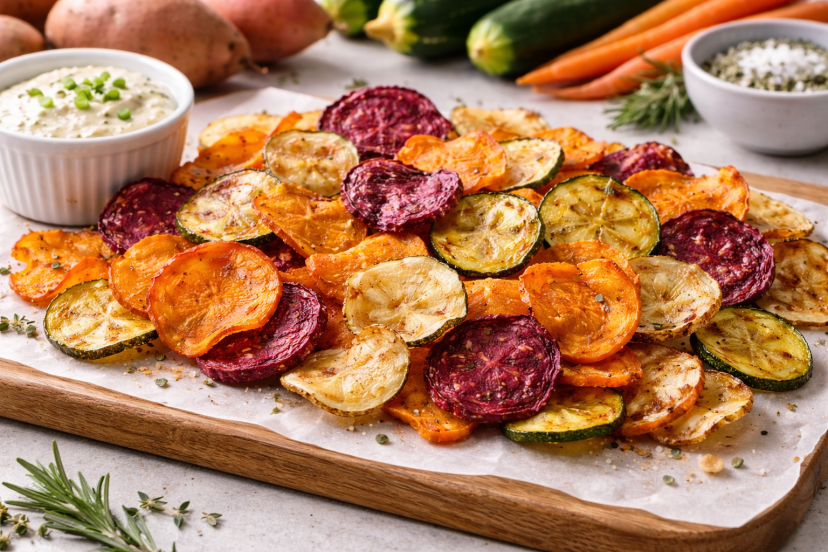
Homemade Veggie Chips
Thinly sliced sweet potatoes or zucchini baked until crisp create a crunchy snack kids love. Because you control the oil and seasoning, they’re far healthier than store-bought chips.
Fruit and Veggie Pouches
Convenient and mess-free, fruit and veggie pouches work well for busy mornings. Look for options with no added sugar and simple ingredient lists.
Frozen Grapes
Frozen grapes taste like mini popsicles and require zero prep beyond washing and freezing. They taste fresh, offer natural sweetness, and fill kids up more than you’d expect.
Cheese Sticks
Cheese sticks provide calcium and protein in a familiar format kids already enjoy. Add fruit or whole-grain crackers to turn it into a more well-rounded snack.
Dark Chocolate and Tangerine Combo
A small square of dark chocolate paired with a tangerine offers antioxidants, fiber, and a sweet finish without excess sugar.
Recommended Products
Here are five parent-approved products that make packing healthy back-to-school treats easier:
- Reusable Silicone Snack Bags – Reduce waste and keep snacks fresh
- Bento-Style Lunch Boxes – Help with portion control and variety
- Insulated Snack Containers – Perfect for yogurt, fruit, or frozen treats
- Mini Muffin Baking Pans – Great for kid-sized portions
- Food Thermos for Kids – Keeps warm snacks safe and appealing
These tools don’t just save time—they make healthier packing habits easier to stick with.
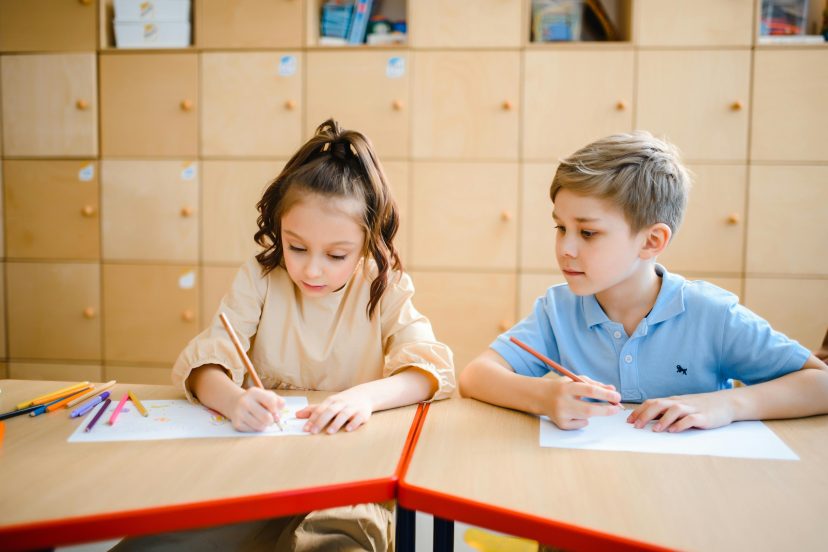
Why Balanced Snacks Help Kids Stay Focused at School
Anyone who’s packed a lunchbox knows this feeling: your kid eats something sugary, then crashes hard an hour later. Turns out, that’s not just anecdotal—it’s something researchers have seen again and again.
A large review looking at kids and teens found that when children eat balanced foods in the morning, they tend to do better with attention, memory, and overall mental performance during the school day. What stood out wasn’t just whether kids ate, but what they ate. Meals and snacks that avoided quick sugar spikes and instead focused on slower-digesting foods helped kids stay more even-keeled as the morning went on.
That lines up perfectly with why treats like banana oatmeal muffins, yogurt with fruit, or granola bites work so well. They don’t flood the system with sugar. Instead, they release energy gradually, which helps kids stay alert through lessons instead of zoning out by mid-morning.
In simple terms: steady fuel = steadier focus.
Why Cutting Back on Added Sugar Really Matters for Kids
Let’s talk sugar—because this is where many “treats” quietly go wrong.
A major review from heart-health experts looked closely at how added sugars affect children’s health. What they found was eye-opening. Even amounts of added sugar that many families consider “normal” were linked to less-than-ideal health markers in kids, including weight gain and early risk factors tied to long-term heart health.
The takeaway wasn’t that kids can never enjoy sweet foods. It was that added sugar stacks up fast, especially through packaged snacks, drinks, and desserts that don’t offer much nutrition in return.
This is exactly why snacks that rely on natural sweetness—like fruit, cinnamon, oats, or a small piece of dark chocolate—make such a difference. Kids still get that “treat” feeling, but without the sugar overload that leads to energy crashes and cranky afternoons. Some families also look for better-for-you convenience options, such as plant-based chicken nuggets, to keep back-to-school snacks more balanced.
Think of it this way: when treats pull double duty by tasting good and supporting health, everyone wins.
How to Get Kids Excited About Healthier Treats
Healthy snacks only work if kids actually eat them. Fortunately, a few simple strategies help.
First, involve kids in choosing and preparing snacks. When children help bake muffins or roll granola bites, they feel invested. Second, keep variety in rotation. Repeating the same snack daily leads to boredom, even if it’s healthy. Finally, focus on presentation. Fun containers, colorful food, and familiar flavors go a long way.
Healthy doesn’t need to feel like a rule—it can feel like a choice.
Conclusion
Healthy back-to-school treats for kids don’t need to be complicated or perfect. The goal is simple—choose snacks that provide steady energy, limit added sugar, and keep kids feeling satisfied through the school day. Whether you prep a few homemade favorites or rely on smarter store-bought options, small changes can make a big difference in focus, mood, and overall nutrition. Consistency matters more than variety, and balanced choices today help build healthier habits that last well beyond the school year.
FAQs
1. How many snacks should kids have during the school day?
Most kids do well with one mid-morning snack and one after-school snack, depending on age and activity level.
2. Are homemade treats always healthier than store-bought?
Not always. Some store-bought options offer excellent nutrition when labels are carefully checked.
3. What’s the best snack for sustained energy at school?
Snacks that combine protein and fiber—like muffins with oats or cheese with fruit—work best.
4. How can I reduce sugar in school snacks without complaints?
Use natural sweetness from fruit and rotate flavors to keep things interesting.
5. Can treats still feel fun while being healthy?
Absolutely. Texture, color, and variety matter more to kids than sugar alone.