The Best Deviled Eggs You’ll Ever Try
We may earn a commission for purchases made using our links. Please see our disclosure to learn more.
Deviled eggs are one of those classic dishes that never really go out of style. They are simple, affordable, and easy to serve, but the difference between an average batch and truly great deviled eggs is all in the details. The best ones have tender egg whites, a smooth and creamy filling, and just enough tang and seasoning to keep every bite balanced. In this article, you’ll learn what makes deviled eggs taste better, how to avoid common mistakes, and how to make a version that feels classic, reliable, and worth making again.
Why Deviled Eggs Still Work So Well
Some dishes stick around because they are nostalgic. Others last because they are practical. Deviled eggs manage to be both.
They fit almost any occasion. You can serve them at Easter, summer cookouts, brunch, baby showers, potlucks, or holiday dinners. They also pair well with heavier mains, which makes them a smart starter when the rest of the table leans rich and comforting. For example, they work beautifully before a baked pasta dish like these chicken Alfredo lasagna rolls.
Another reason deviled eggs keep winning is flexibility. You can keep them classic, add heat, fold in herbs, or top them with bacon. Even small changes can make them feel fresh without turning them into a completely different recipe.
Ingredients for Classic Deviled Eggs
You do not need a long ingredient list to make great deviled eggs. In fact, keeping it simple often gives the best result.
Ingredients
- 6 large eggs
- 3 tablespoons mayonnaise
- 1 to 2 teaspoons Dijon mustard
- 1 teaspoon white vinegar or fresh lemon juice
- Salt, to taste
- Black pepper, to taste
- Paprika, for garnish
- Chopped chives or green onion, optional
This combination gives you a classic filling with enough richness and brightness to feel balanced. Dijon brings a little bite, while vinegar or lemon cuts through the richness of the yolks and mayonnaise.
If you want to tweak the flavor, you can add a dash of hot sauce, a spoonful of finely chopped pickles, or a tiny amount of horseradish. However, it is best to master the basic version first. Once you know what a balanced filling tastes like, variations become much easier to build.
How to Cook the Eggs the Right Way
Perfect deviled eggs start before you even make the filling.
Add the eggs to a saucepan and pour in enough cold water to cover them by about one inch. Heat the water until it reaches a soft boil, then remove the pan from the heat. Cover it and let the eggs rest in the hot water for 10 to 12 minutes. This method helps prevent overcooking, which can leave the yolks dry and the whites slightly rubbery. For a dependable timing method, the American Egg Board’s guide to hard-cooked eggs is a helpful reference.
Once the eggs are done, transfer them straight to ice water. That quick cooling step stops the cooking and also supports safer handling. A peer-reviewed review on Salmonella and eggs explains that contamination risks can happen at several points from production to food handling, which is why proper cooking, rapid chilling, and careful storage matter even for simple recipes like deviled eggs.
After the eggs are fully cool, peel them carefully under running water or after gently cracking them all over on the counter. Start at the wider end if you can, since that side often peels a little more easily and helps keep the whites smooth and neat for filling.
How to Make Classic Deviled Eggs at Home
1. Slice and separate
Slice each peeled egg lengthwise into two even halves.. Gently scoop the yolks into a bowl and set the whites aside on a tray or plate.
2. Mash the yolks well
Crush the yolks with a fork until they turn into a fine, soft crumble. If you want an extra-smooth filling, press the yolks through a fine mesh sieve before mixing in the rest of the ingredients.
3. Add the creamy ingredients
Mix in the mayonnaise, Dijon mustard, and vinegar or lemon juice. Stir until the filling looks smooth and creamy.
4. Season to taste
Add salt and black pepper gradually. Taste the filling before you stop. This matters more than people expect. A filling that tastes slightly too bold in the bowl often tastes just right once it is inside the egg white.
5. Fill the egg whites
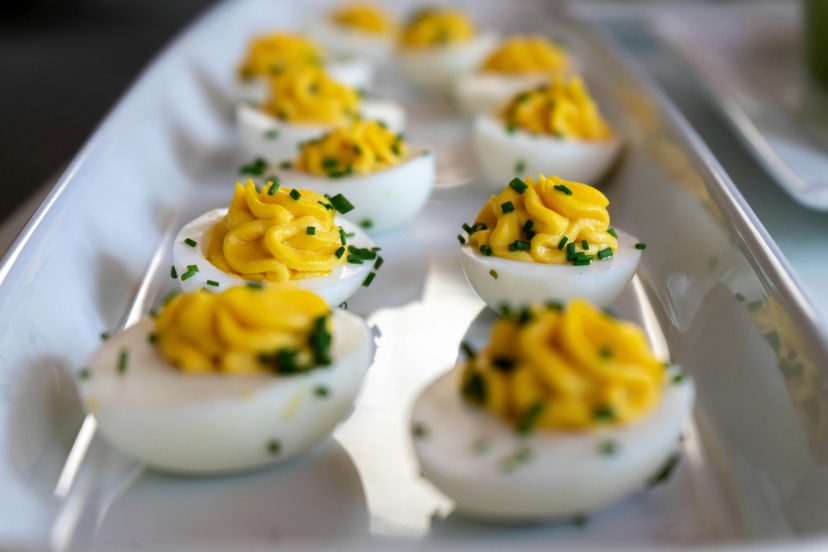
You can spoon the filling into the whites, but a piping bag or zip-top bag with the corner cut off gives a neater finish. This is especially helpful if you are making deviled eggs for guests.
6. Garnish and chill
Dust with paprika and add chives if you like. Then chill until serving.
That is the whole method. It is simple, but each step helps create a cleaner texture and better flavor.
Tips for the Creamiest Filling
A lot of deviled eggs fail because the filling ends up dry or grainy. The easiest way to fix that is to pay attention to texture early.
Break down the yolks completely before mixing in the other ingredients. Large lumps are hard to smooth out later.
Add mayonnaise a little at a time if needed. You want the filling soft enough to pipe, but not so loose that it slumps.
Do not skip the acid. A small splash of vinegar or lemon juice makes a bigger difference than many people realize. It brightens the whole filling and keeps the richness from becoming heavy.
Also, taste before filling the eggs. Then adjust. Most bland deviled eggs need one more pinch of salt, a little more mustard, or a tiny bit more acid.
If the filling still tastes dull, try a drop of hot sauce. Not enough to make it spicy, just enough to sharpen the flavor.
Common Mistakes to Avoid
Overcooking the eggs
This can leave the yolks chalky and the whites slightly tough. Gentle cooking and fast cooling help prevent that.
Using too little seasoning
Eggs need help. If your deviled eggs taste flat, the filling probably needs more salt, more mustard, or a little more acid.
Making the filling too stiff
If the mixture is hard to stir, it will not feel creamy when you eat it. Add a touch more mayo until it loosens.
Filling them too far in advance
You can prep them ahead, but fully assembled deviled eggs are best closer to serving. If they sit too long, the whites can become watery and the filling can lose some of its freshness.
Letting them sit out too long
Since deviled eggs are perishable, keep them chilled as much as possible. If you are serving them outdoors or at a long party, set them out in smaller batches instead of leaving the whole tray at room temperature.
Easy Flavor Variations
Once you have the classic version down, you can build on it without much effort.
Spicy deviled eggs
Add a few drops of hot sauce or a little minced pickled jalapeño to the filling. Finish with smoked paprika.
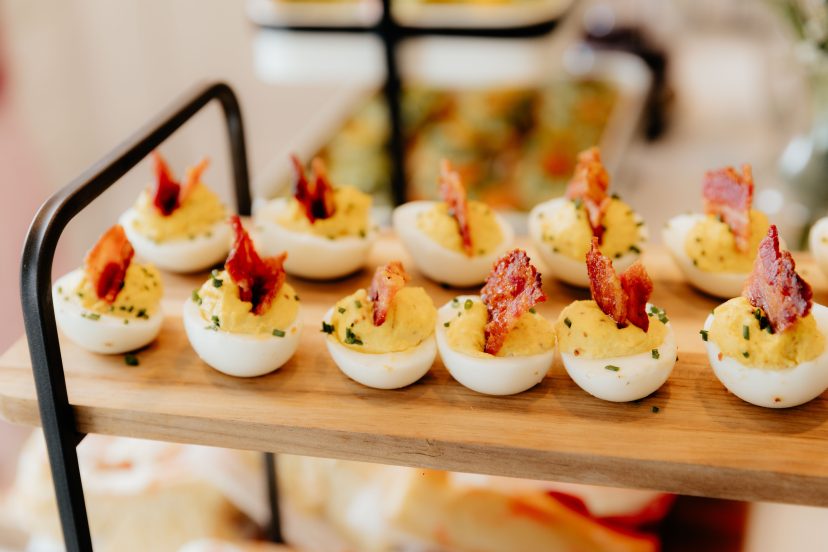
Bacon and chive deviled eggs
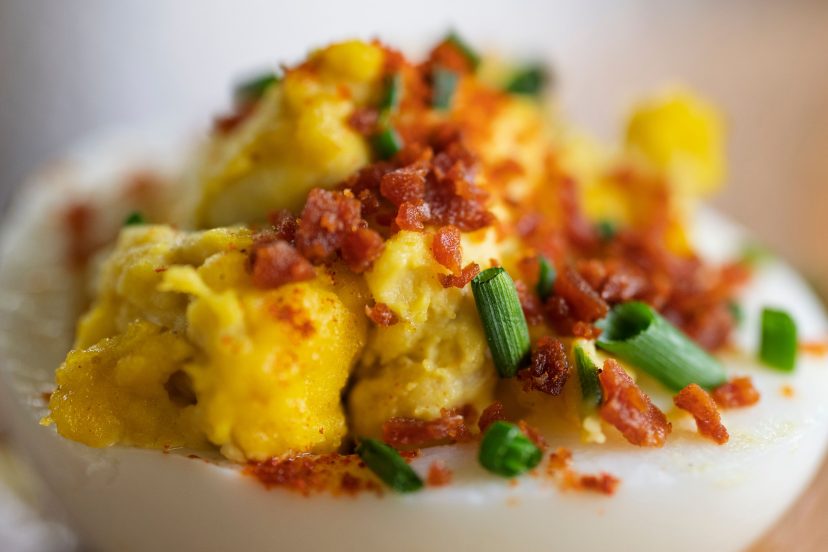
Top each egg with crisp bacon pieces and chopped chives. This version feels a little richer and more indulgent.
Pickle deviled eggs
Stir in a little diced pickle or a scoop of relish to give the filling a tangy crunch. This gives the filling a salty, tangy edge that works especially well for cookouts.
Avocado deviled eggs
Swap part of the mayo for mashed avocado. The filling becomes softer and a little earthier. These taste best when enjoyed on the day they are made.
Herb deviled eggs
Add dill, parsley, or chives directly into the filling for a fresher flavor.
These variations work well because they build on the same creamy base instead of fighting it.
Recommended Products
These five products can make the process easier and the final dish look better:
1. Deviled egg platter
A dedicated platter helps keep the eggs from sliding around and makes serving much cleaner.
2. Disposable piping bags
These are one of the easiest ways to get a smooth, neat filling without extra mess.
3. Fine mesh sieve
If you want ultra-smooth filling, a sieve is worth having. It breaks up the yolks better than a fork alone.
4. Small offset spatula or spoon set
These help with filling, smoothing, and presentation.
5. Smoked paprika or quality Dijon mustard
A small upgrade in seasoning can noticeably improve the final flavor.
Conclusion
The best deviled eggs are simple, but they are not careless. When you cook the eggs gently, make a smooth filling, and season with intention, the result feels far better than the average party tray version. That is really the difference. Great deviled eggs are creamy, balanced, and easy to eat. They look classic, but they do not taste boring. Once you get the basics right, you can keep them traditional or add your own twist and still end up with a dish people come back for.
FAQs
1. How early can deviled eggs be prepared?
You can cook the eggs and prepare the filling up to one day before serving. For the best texture, store the whites and filling separately and assemble them closer to serving.
2. Why are my deviled eggs dry?
The yolks may be overcooked, or the filling may need more mayonnaise. Mash the yolks well and add enough creamy ingredients to loosen the mixture.
3. What is the best mustard for deviled eggs?
Dijon is a great choice because it adds sharpness and depth without overpowering the filling. Yellow mustard works too if you want a more classic flavor.
4. How do I keep deviled eggs from sliding on the tray?
If you have a deviled egg tray, use it to keep the eggs neat and secure. If not, a bed of greens can help hold them in place.
5. Can deviled eggs be made without mayonnaise?
Yes. You can use Greek yogurt, mashed avocado, or a mix of sour cream and mustard, though the flavor and texture will change a bit.